
In a city where salsa is breathed, the sun caresses the mountains and the Cali River murmurs ancient stories, there is a feline that does not dance, does not sing, but that has conquered everyone”s heart. It is The river cat (El gato del Río), a monumental sculpture that has become a cultural icon, meeting point, muse of artists and protagonist of thousands of photographs. But this cat is not just any cat. It is a symbol of Cali”s identity, a work of art with soul, and the beginning of a walk that mixes creativity, humor and urban beauty.
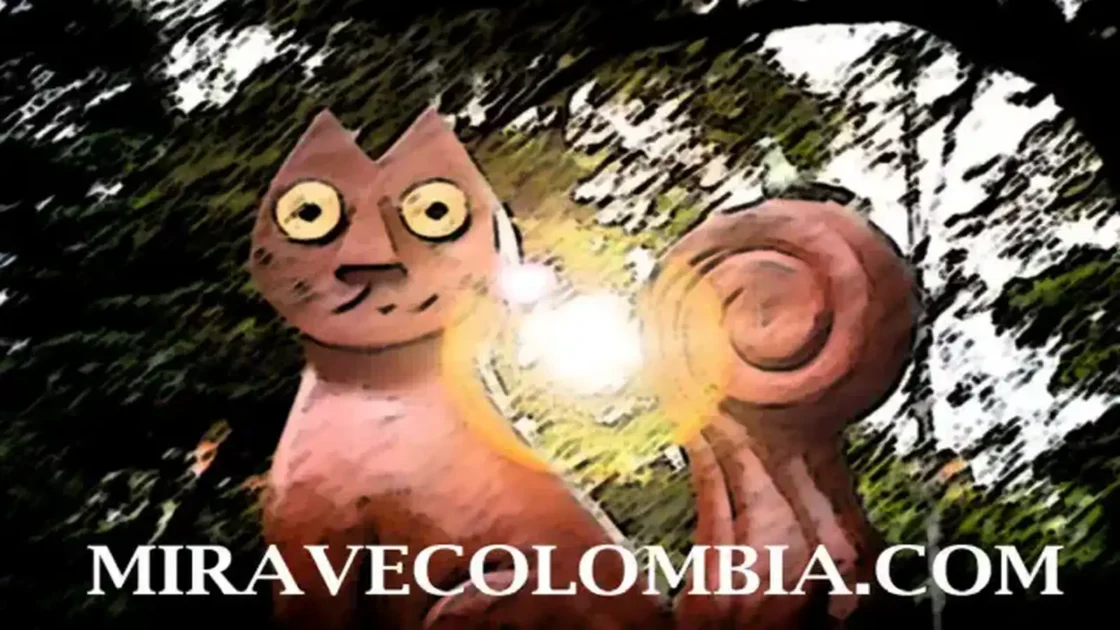
The Cat of Cali – The River Cat : History, Art and Mystery on the Riverbanks
The story of the The River cat begins in 1996, when the Colombian sculptor Hernando Tejada, born in Manizales but deeply linked to Cali, decided to donate a work to the city that had hosted him. Tejada, known for his expressive, colorful and playful style, created a cat 3.5 meters tall, weighing 3 tons, cast in bronze and with a look that seems to observe everything and everyone.
The sculpture was installed on the banks of the Cali River, in the El Peñón neighborhood, as part of a project to recover public space. At that time, the sector was deteriorated, and the cat arrived as a kind of silent guardian, an artistic lookout that transformed the urban landscape.
Why the The River cat became a symbol of Cali
The choice of the animal was not accidental. Hernando Tejada had a fascination with cats. In his paintings, prints and sculptures, felines constantly appeared: agile, mysterious, elegant. For him, the cat represented freedom, curiosity, independence. And in Cali, a city of contrasts and passions, the cat fit perfectly.
In addition, the Cali River, which winds through the city, has a history linked to the local fauna. The river cat became a living metaphor: an animal that observes, that inhabits space without disturbing it, that invites contemplation.
Location of The River Cat in Cali and how to get there
El Gato de Cali is located on Avenida del Río, near the El Peñón neighborhood, one of the most traditional and touristic sectors of Cali. Access is free of charge, and the promenade is open every day of the year.
You can walk from the historic center, by taxi or by public transport. The place is surrounded by trees, benches, pedestrian paths and green areas, which makes it an ideal space to rest, read, take photos or simply contemplate.
The River Cat ial media, El Gato del Río has become one of the most photographed places in Cali. Its size, enigmatic expression, and natural surroundings make it perfect for selfies, artistic portraits, and photo shoots. Many tourists even play with perspective to “pet” the cat or pose as if they were conversing with it.
What to do and what to know before visiting the The River Cat in Cali
Best time: at sunset, when the golden light bathes the sculptures and the weather is cooler.
Bring a camera or cell phone with good resolution: the photos are worth it!
Explore the surroundings: The El Peñón neighborhood has cafes, restaurants, galleries and artisan shops.
Visit the La Tertulia Museum: a few minutes” walk away, ideal to complement the artistic experience.
Participate in guided tours: some agencies offer cultural tours that include The River Cat (El Gato del Río).
The Cat of Cali – Cat of the River: how this cultural icon transcends art
The Cat of Cali is not just a sculpture. It is a point of reference, a symbol of urban transformation, an example of how art can revitalize public spaces. Since its installation, the sector has changed radically: it has become a safe, attractive and lively place.
In addition, the cat has inspired songs, poems, stories, murals and even souvenirs. In local stores you can find t-shirts, keychains, mugs and postcards with his image. There are even themed events, such as art fairs and festivals that revolve around the feline.
The Cat Walk: When the Cats Arrived
A decade after the installation of the Gato del Río, in 2006, the Tejada Foundation and the Ministry of Culture of Cali launched an initiative to expand the artistic legacy. This is how the Paseo de las Gatos was born, a collection of 15 female sculptures that accompany the original cat, each intervened by a different artist.
These cats are not copies of Tejada”s cat, but creative reinterpretations, with their own names, styles and personalities. Some are flirtatious, others philosophical, others abstract. Together they form an open-air art tour that has been compared to urban exhibitions such as the cows of CowParade or the bears of Berlin.
Some featured cats
La Gata Presumida (Diego Pombo): with a mirror, makeup and a diva attitude.
The Cat in Love (Nadin Ospina): covered in hearts, romantic and dreamy.
La Gata Caleñísima (Óscar Muñoz): an ode to Cali, with typical elements of the city.
La Gata Rubia (María Fernanda Cuartas): elegant, sophisticated, with a European air.
La Gata de Tejada: fiberglass replica of the original, painted in bright colors.
Each one has a plaque with their name and the artist who created it, allowing visitors to learn more about the creative process behind each work.
In addition, cats offer an aesthetic variety that lovers of urban art love. Each one has its own style, which allows you to create a diverse and colorful visual gallery.
Hernando Tejada”s legacy
Hernando Tejada passed away in 1998, two years after donating the cat to the city. But his work lives on, not only in the bronze of the feline, but in the collective memory of Cali. His style, marked by spontaneity, color and connection with the everyday, has influenced generations of Colombian artists.
The river cat (El Gato de Calí) also known as The cat of Cali is, in a way, his artistic testament. A work that does not need words to communicate, that invites reflection without solemnity, that integrates into the landscape as if it had always been there.
Conclusion: The cat of Cali, also known as the Gato de Cali, a cat that speaks without speaking
Visiting the River Cat is more than just seeing a sculpture. It is to immerse yourself in a history of art, city and transformation. It is walking among cats that tell visual stories. It is understanding how a work can change a space, unite a community and become a symbol.
So if you’re in Cali, don’t hesitate. Go to the river, find the cat, look it in the eye. Maybe I won’t tell you anything. Or maybe I’ll tell you everything.
To see more publications from Colombia you can visit the main page of our Colombian Hispanic Blog or through the link to the category at the bottom of this publication. More Information about the River Cat (El Gato del Río) on Wikipedia.