
The Lacasitos Countdown is a simple and joyful New Year tradition that has emerged as a creative alternative to the classic 12 grapes ritual commonly enjoyed in Spanish and Colombian households. Instead of rushing to eat grapes before midnight, families now celebrate with colorful Lacasitos candies—one for each month—bringing sweetness, safety, and shared smiles to the countdown. This tradition blends cultural symbolism with family‑friendly fun, making New Year’s Eve memorable for all ages.
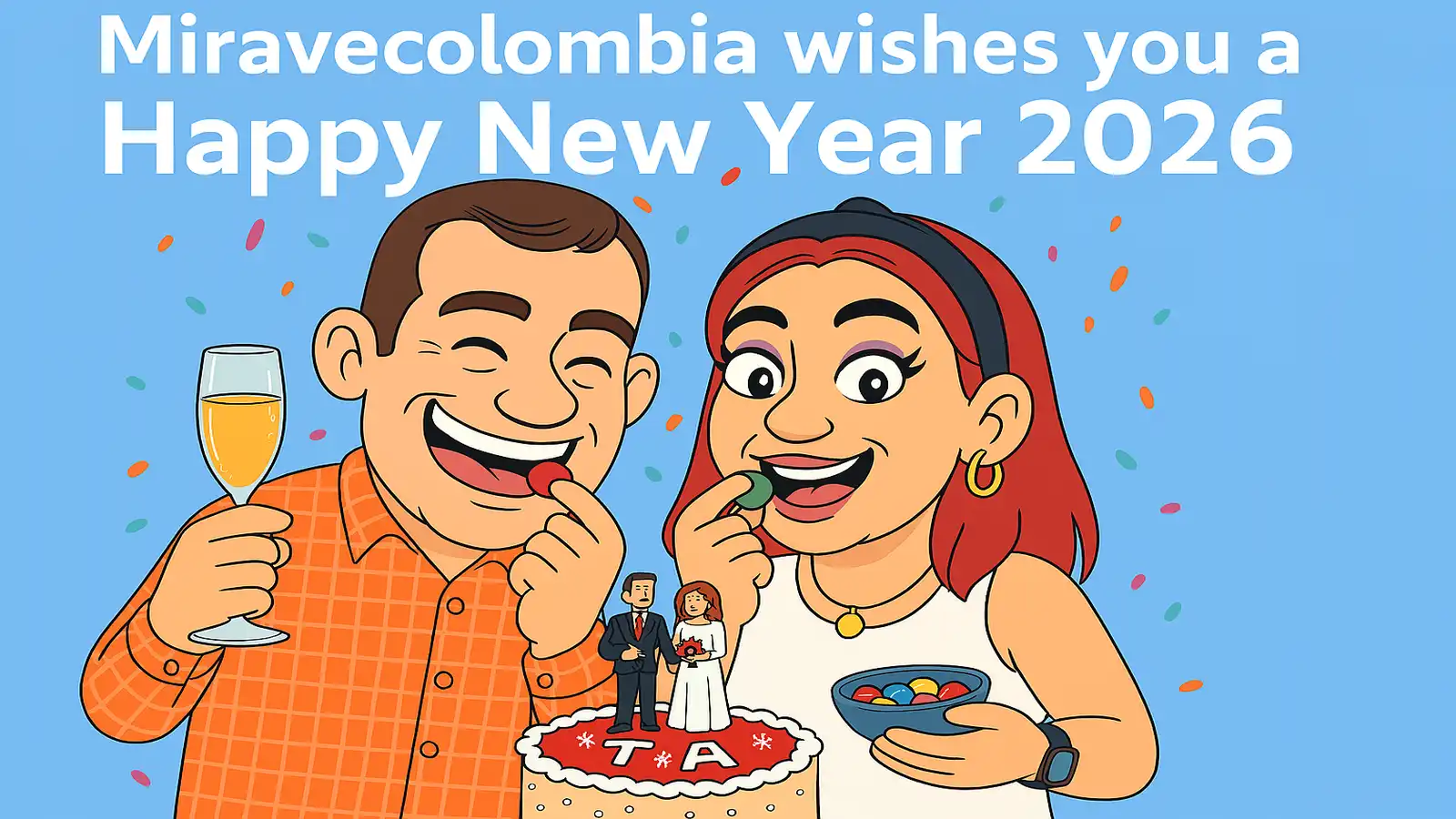
Lacasitos Countdown: A Sweet and Safe New Year Tradition
In our home, New Year’s Eve has changed color. Where grapes once marked the countdown, we now celebrate with the Lacasitos Countdown—a simple, joyful tradition born from a shared concern and a brilliant idea. And the author of this solution wasn’t an adult, but my niece Alejandra, who naturally voiced what many were thinking but few dared to say: starting the year safely is also a way to celebrate.
The twelve grapes tradition is one of Spain’s most beloved New Year’s customs—but also one of the most demanding. Eating quickly, keeping up with the clock, and smiling through it all doesn’t always align with safety. Every year, small scares interrupt a moment that should be pure joy.
When Traditions Need a Pause
Traditions aren’t fixed—they evolve with the people who live them. At MiraveColombia, where we view Spain through a warm, Latin American lens, we understand that customs travel, adapt, and transform.
Grapes symbolize wishes, months, and hope—but they’ve also become a race against time. For children, older adults, or anyone who prefers to savor the moment without pressure, the experience can feel more stressful than emotional.
That’s where Lacasitos come in.
Lacasitos Countdown: A Simple, Family-Friendly Solution
Alejandra’s idea was as simple as it was brilliant. Swapping grapes for Lacasitos eliminated the choking risk and added a playful twist to the countdown. Small, easy to chew, seedless and skinless, Lacasitos let everyone enjoy the ritual without tension.
Each candy represents a wish. Twelve colors, twelve months, twelve intentions. Some are chosen randomly, others repeated out of superstition or taste. The result is the same: starting the year calmly and with a smile.
Alternatives to the 12 Grapes That Keep the Spirit Alive
Talking about alternatives to the 12 grapes isn’t about abandoning tradition—it’s about preserving it. In many Spanish and Colombian homes, safer options are already in place: halved grapes, raisins, soft fruit pieces, or even chocolates.
The Lacasitos Countdown joins this list as a practical and family-friendly choice, especially when children or older adults are part of the celebration.
Spain, Colombia, and Traditions That Reinvent Themselves
The grape tradition was born in Spain but has crossed the Atlantic and found a place in Colombian celebrations, where it blends with local rituals like suitcase walks, lentils, or colorful underwear.
In this cultural exchange, adapting tradition feels natural. Colombia brings intention; Spain brings ritual. Together, they create new ways to celebrate.
Starting the Year Slowly Is Also Good Luck
Replacing grapes with Lacasitos doesn’t take away meaning—it adds to it. Listening to children, prioritizing well-being, and laughing together might be the best omen for the year ahead.
In our home, the Lacasitos Countdown is here to stay. Not as a trend, but as a reminder: traditions serve people—not the other way around.
And so, with color, chocolate, and good wishes, we begin the year. No scares. Just common sense. And a new tradition that’s already part of our family story.
As we step into 2026, we want to wish everyone a joyful, peaceful, and prosperous New Year! May your days be filled with love, laughter, and little moments of magic. From our hearts to yours, with warmth and affection, your favorite Hispanic-Colombian couple, we hope this year brings you happiness, health, and countless sweet memories to treasure. Cheers to new beginnings!
By the way, some parts of the world are already celebrating the arrival of 2026. And if you’re new here or simply interested in what we write, feel free to explore our Hispanic‑Colombian blog. Sending a big hug to all of you, and thank you for being part of this journey.